

Kardelen Pınar (Writer)
24 June 2025
What Are Graphene-Based Supercapacitors: High-Density Energy Storage?
Graphene supercapacitors are energy storage devices with high energy density and rapid charging capabilities.
When developed with micro-level graphene structures, these capacitors become lighter, more flexible, and resistant to extreme temperatures.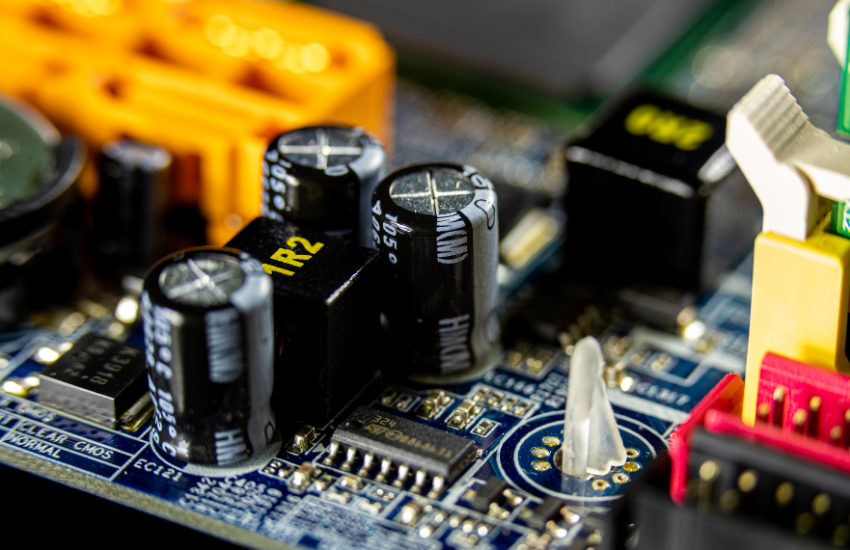
Why?
Traditional lithium-ion batteries have low charge-discharge rates, whereas supercapacitors can store and release energy almost instantaneously.
This feature provides a major advantage in quickly responding to sudden power demands, especially in electric vehicles, mobile devices, and renewable energy systems.
Additionally, supercapacitors can have up to 10 times longer cycle life compared to batteries.
How?
Graphene Nanostructures:Use ultra-thin carbon structures to store more energy.
Low Internal Resistance:Enables faster charging and discharging.
Long Lifespan:Can increase battery life by up to 200%.
Applications:
The use of graphene supercapacitors is rapidly increasing in areas such as regenerative braking systems in electric vehicles, energy balancing solutions in smart grid infrastructure, long-lasting fast-charging portable medical devices, and sectors with extreme conditions like aerospace and defense industries.
In conclusion, graphene-based supercapacitors are not only high-performance energy storage devices but also a next-generation technology offering environmentally friendly, long-lasting, and versatile applications.